When to Cook, When to Share and When to Let Someone Else Do It.
Here is your revised text with all social media handles and hashtags removed, replaced with clean hyperlinks where applicable, and formatted with proper paragraph breaks for readability:
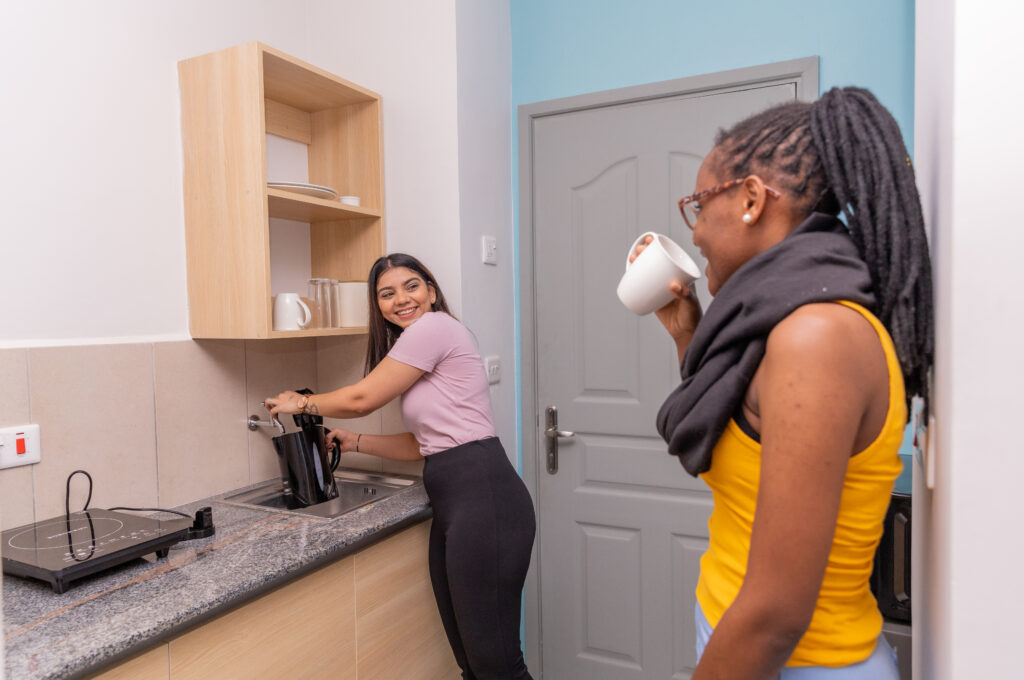
Nobody tells you that one of the most valuable lessons is learning how to make a great meal with very little. As a student juggling lectures, assignments, group discussions, and trying to stretch your pocket money, cooking can sometimes feel like another assignment on your to-do list. At Adana, we’ve watched our thrive buddies become surprisingly creative with our shared induction burners. Some have mastered meals that cost less than a takeaway coffee, while others have turned cooking into a social activity.
Here are four hacks that make student cooking easier, cheaper, and much more enjoyable:
-
The “One-Pan Rule” — The biggest mistake is trying to cook complicated meals, but our buddies do the opposite. They choose meals that use just one pan. Think fried rice, pilau, noodles, githeri, matoke beef, and similar dishes. Less cooking gear also means less cleaning.
-
Cook once, eat three times — Here’s a trick many students discover halfway through the semester. If you’re making rice tonight, make enough for tomorrow’s fried rice. Cooking minced beef? Double it—half goes into today’s pasta, and the other half becomes tomorrow’s chapati filling. One hour of cooking today can save you two hours later that week. Your future self will thank you, especially during exam season.
-
Turn cooking into community — Some of the best university memories are made while waiting for food to cook. Instead of everyone cooking separately, why not cook together? One friend brings chicken, another buys vegetables, another provides maize meal, and someone cooks. Before you know it, four people have enjoyed a proper meal for less than each would have spent eating alone. At Adana, we’ve seen shared meals become shared stories. New friendships have started over borrowed onions, recipe tips, and the question every student has asked at least once: “Can you help me with just a little cooking oil?”
-
Know when not to cook — Not every day has to end in the kitchen. Some weeks are filled with CATs, group discussions, deadlines, and back-to-back lectures, leaving very little time to prepare a meal. That’s why the Adana Restaurant is just a few steps away. On days when you’re short on time or simply don’t feel like cooking, you can grab a freshly prepared meal. Student life is all about balance, and sometimes the smartest cooking hack is knowing when someone else can do the cooking for you.
Lastly, respect the shared space. The induction burner belongs to everyone, so a little consideration goes a long way. Leave it cleaner than you found it, avoid leaving food unattended, keep cooking times reasonable, and if someone is waiting, let them know how much longer you’ll be. Small acts of courtesy create a better experience for everyone.
University isn’t about having the biggest kitchen or the fanciest cookware. It’s about learning to be resourceful, independent, and considerate. The beauty of living at Adana is that you don’t have to choose one way of eating. Some evenings you’ll cook with your friends, experimenting with new recipes on the shared induction burners. On others, you’ll head downstairs for a hot meal at the Adana Cafeteria. It’s that flexibility that makes student life simpler—you cook when you want to, and you’re still covered when you don’t.
Authored by the pod pen.